Station Road Addiscombe rubbish collection rules and tips
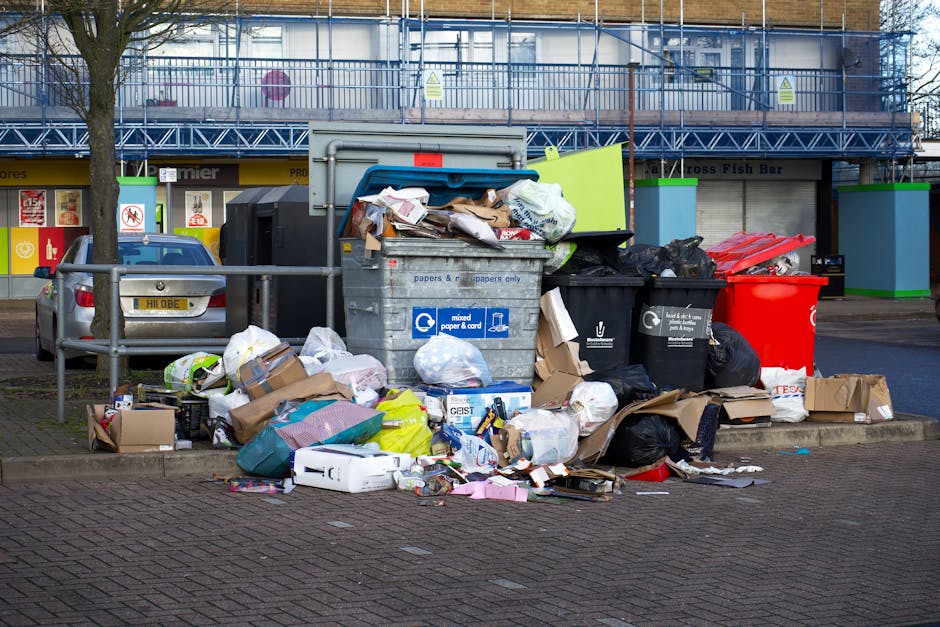
Sorting rubbish on Station Road in Addiscombe sounds simple until you are standing at the kerb with a mix of cardboard, old furniture, broken bits of plasterboard, and a bin that is already too full. Then it gets messy, fast. The right approach is not just about putting waste out on the correct day; it is about knowing what belongs where, what needs separate handling, and how to avoid the annoying little problems that turn a tidy clearance into a headache.
This guide on Station Road Addiscombe rubbish collection rules and tips walks through the practical side of rubbish removal in plain English. You will find what matters most, how collection typically works, the mistakes people keep making, and the smart habits that save time, reduce risk, and make recycling easier. If you are dealing with a flat move, a house clear-out, a business reset, or just a stubborn pile in the garage, this should help.
Quick takeaway: Keep waste separated, check what needs special handling, avoid overfilling containers, and plan collection before the pile starts creeping into walkways or front gardens. Small details make a big difference.
Why Station Road Addiscombe rubbish collection rules and tips Matters
Waste collection on a busy local road is more than a convenience issue. It affects safety, access, appearance, odour, pests, and how smoothly the street works day to day. On a road like Station Road, where people are coming and going, parking is tight, and frontages can be narrow, a poorly planned rubbish stack can cause real friction. Nobody wants sacks splitting open in the rain or a broken chair blocking the pavement before the morning commute.
There is also the practical side. If waste is mixed carelessly, it becomes harder to recycle. If hazardous items are left in a general pile, they can create handling risks. If bulky items are left out too early, they may attract complaints or be moved around by weather or passers-by. Truth be told, rubbish is rarely just rubbish once it starts interfering with the street.
Good collection habits help you stay organised, protect neighbours, and reduce the chance of extra trips or rejected loads. They also support a cleaner finish if you are clearing a property before letting, selling, or reopening a business.
If your waste includes furniture, appliances, or mixed household items, it is worth reading service-specific guidance such as furniture disposal, fridge and appliance removal, and mattress and sofa disposal. These pages can help you think through what needs special treatment before collection day arrives.
How Station Road Addiscombe rubbish collection rules and tips Works
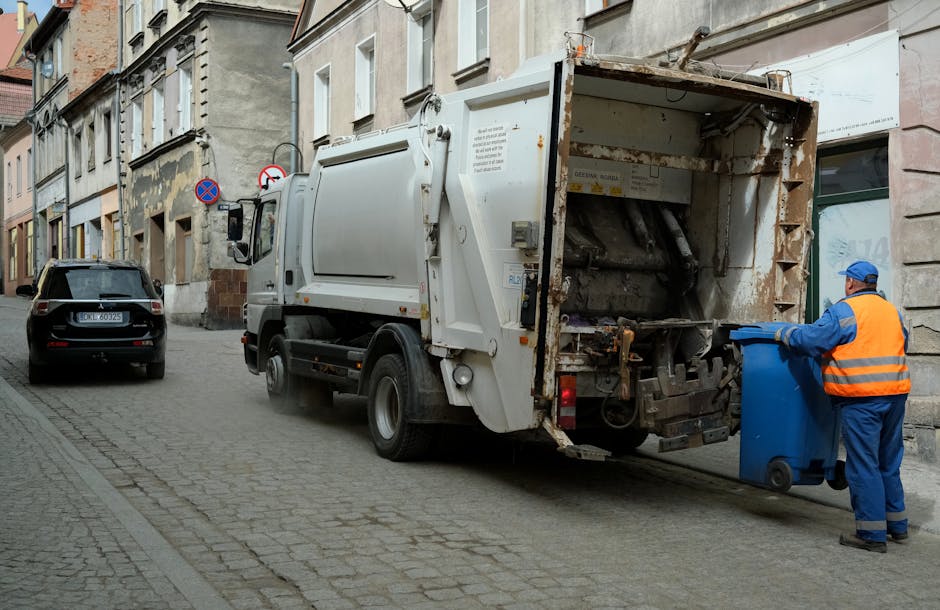
In practice, rubbish collection usually follows a straightforward pattern: sort the waste, place it in the right format, keep it accessible, and arrange removal at the right time. The details matter though. Different waste types behave differently. Cardboard flattens. Garden cuttings compact. Broken plasterboard can crumble and dust everywhere. A fridge is a completely different animal, so to speak.
For most domestic or small commercial clearances, the process usually looks like this:
- Identify the waste type or types you need to remove.
- Separate reusable, recyclable, and non-recyclable items.
- Check whether any items are bulky, sharp, or potentially hazardous.
- Decide whether the job suits a one-off clearance, a booked collection, or a more regular arrangement.
- Prepare the access route so items can be lifted safely without blocking neighbours or vehicles.
- Arrange removal through the most appropriate option for the amount and kind of waste involved.
That last point is where a lot of people get caught out. A small bag of mixed rubbish is one thing. A loft full of old boxes, a dismantled wardrobe, and a couple of heavy appliances is another. If you are unsure how much fits into a particular disposal method, the page on what can go in a skip is useful for understanding common load boundaries and awkward items.
There is also a difference between waste that can be lifted and tipped quickly and waste that needs separate handling because it may leak, cut, smell, or contain glass, chemicals, or electrical parts. That is where planning saves you from those slightly miserable moments where everyone is waiting, the clock is ticking, and someone realises the waste is not ready.
Key Benefits and Practical Advantages
Following sensible rubbish collection rules is not about being fussy. It has real benefits, especially in a place like Addiscombe where space and timing often matter. Here are the main ones.
- Cleaner kerb appeal: Neatly prepared waste is less likely to spill, spread, or look untidy to neighbours and passers-by.
- Safer handling: Separate sharp, heavy, and awkward items so they are easier to move without injuries or damage.
- Better recycling outcomes: Mixed loads are harder to sort, while separated waste is more likely to be recovered properly.
- Less disruption: When access is planned, collections can happen faster and with less blocking of pavements or driveways.
- Lower stress: You avoid the scramble of last-minute decisions and the familiar "where did this come from?" feeling that happens during clear-outs.
There is another benefit people underestimate: confidence. Once you know the rules of the road, literally and practically, you make better decisions. Should that broken mirror go in general waste? Probably not without protection. Should a half-full bag of garden clippings wait another day? Maybe, if it will keep the route clear. Those little judgments add up.
If you are dealing with larger household clutter, the related pages for home clearance and house clearance are helpful for understanding broader removal needs beyond a single bin lift.
Who This Is For and When It Makes Sense
This topic is relevant to more people than you might think. It is not just for someone clearing a full property. In fact, a lot of the biggest problems come from smaller, ordinary situations that nobody really plans for.
- Homeowners clearing sheds, garages, or front rooms after renovations.
- Tenants and landlords dealing with move-out clutter, left-behind items, or end-of-tenancy cleaning.
- Flat residents who need to manage shared access and avoid creating issues in communal areas.
- Local businesses needing routine or one-off waste removal without cluttering entrances.
- Tradespeople with builders' waste, packaging, offcuts, and site tidy-up debris.
It also makes sense whenever the waste is awkward, mixed, or time-sensitive. For example, if you are leaving a property on Friday and the hallway is already full of stuff, waiting until the last minute is risky. The same is true if you have damp cardboard, broken furniture, and food waste all in one space. The smell alone can make the job feel twice as big.
For commercial or workplace clear-outs, the page on office clearance gives a useful sense of how a more structured clearance can work when desks, chairs, files, and electrical items all need removing together.
Step-by-Step Guidance
If you want a straightforward way to deal with rubbish collection on or around Station Road, use this sequence. It keeps the process calm and practical. Not glamorous, admittedly, but effective.
1. Walk the site first
Before moving anything, do a quick walk-through. Look for broken glass, hidden nails, leaking containers, and items that are heavier than they look. A chair is never just a chair until you try to carry it down stairs. Then it suddenly has opinions.
2. Separate the waste into simple groups
Split the load into categories such as general rubbish, cardboard and paper, bulky furniture, garden waste, electrical appliances, and anything potentially hazardous. You do not need a laboratory. Just a sensible sort so mixed waste does not become one unmanageable pile.
3. Protect fragile or sharp items
Wrap sharp edges, tape loose doors, bag broken ceramics, and keep glass separate where possible. This makes collection safer and also stops one broken item from damaging everything else in the stack.
4. Keep access clear
Make sure the path from the waste to the collection point is safe and open. On a road like Station Road, that may mean considering neighbours' parking, bins, gates, or narrow entryways. If the waste has to pass through a hallway or shared stairwell, check that nothing will snag or block the route.
5. Match the removal method to the material
General waste, bulky items, and specialist waste each need their own approach. For example, a small mixed load may suit a simple waste removal service, while renovation debris may fit better with builders waste clearance. That choice matters more than people expect.
6. Arrange timing carefully
Do not leave it until the last possible minute if the waste affects access or safety. If the collection is happening early in the day, have everything ready the night before. If rain is forecast, cover what can be covered. Wet cardboard is miserable. It smells funny, goes soft at the edges, and is somehow twice as awkward to lift.
7. Confirm what happens after collection
Ask whether the waste will be sorted, recycled, reused, or disposed of responsibly. A clear answer builds trust and helps you make a better long-term choice next time.
Expert Tips for Better Results
Small improvements make rubbish collection much easier. These are the habits that tend to separate a smooth collection from a chaotic one.
- Flatten cardboard and boxes before collection so they take less room and are easier to stack.
- Keep heavy items low and stable rather than piling them on top of lighter waste.
- Use strong bags for mixed rubbish so you avoid splits on stairs, paths, or in damp weather.
- Label awkward materials if they need special handling, especially in shared spaces.
- Separate clean recyclables from food-contaminated waste where practical.
- Take photos before collection if you are managing a larger clearance, just as a record of what was there.
One very practical tip: keep a staging area. Even a small patch of driveway, garden edge, or hallway corner can help you build an orderly pile instead of a spreading mess. That little bit of structure changes everything.
If the job includes cupboards of old paperwork or sensitive documents, consider confidential shredding. It is a simple way to avoid mixing personal data into general waste, which is not ideal at all.
And if you are dealing with outdoor waste too, the guidance on garden clearance can help you keep soil, branches, green waste, and mixed outdoor clutter in the right order.
Common Mistakes to Avoid
Most rubbish collection problems come from the same handful of mistakes. They are common enough that, to be fair, almost everyone makes at least one of them at some point.
- Mixing all waste together: This makes sorting slower and can create rejection issues for certain items.
- Overfilling bags or containers: Heavy, bulging loads are harder to move and more likely to split.
- Leaving waste in the wrong place: Shared entrances, pavements, and narrow access points can quickly become a problem.
- Forgetting about hazardous items: Paint, chemicals, batteries, and some appliances need more care than standard rubbish.
- Assuming everything can go together: Furniture, white goods, and builders' debris often need separate treatment.
- Booking too late: If you are up against a move-out date or renovation deadline, a delay can snowball.
Another sneaky mistake is underestimating volume. A small room looks harmless until you start moving things. Then the bags multiply, somehow. The cupboard of doom is always bigger than it looks.
If you have old patio pieces, broken tools, or shed debris, it is worth looking at garage clearance as well. Garages are classic hiding places for mixed waste, and they nearly always contain one awkward item nobody wants to carry alone.
Tools, Resources and Recommendations
You do not need a lot of gear to get organised, but a few practical tools make the whole process easier. Most of this is basic stuff, which is exactly why it works.
| Tool or resource | Best use | Why it helps |
|---|---|---|
| Heavy-duty sacks | Mixed household rubbish | Reduces splitting and keeps loads manageable |
| Strong tape and marker pens | Labelling or securing loose items | Helps identify fragile, sharp, or special-handling waste |
| Gloves | General handling | Protects hands from grime, splinters, and rough edges |
| Dust sheets or tarps | Indoor staging or weather cover | Helps keep floors tidy and waste dry |
| Sorting boxes or tubs | Recycling and small loose items | Makes separation faster and more visual |
For broader help with larger home projects, the page on loft clearance is handy because loft jobs often combine dust, old boxes, broken storage items, and forgotten clutter in one very determined pile.
If cost planning is part of the decision, it may also help to review pricing and quotes so you can understand how the scope of the waste affects the work. And if your main concern is responsible disposal, the page on recycling and sustainability is a useful reference point.
Law, Compliance, Standards, or Best Practice
Waste disposal in the UK is not something to treat casually. Without getting bogged down in legal detail, the safe rule of thumb is this: sort waste properly, keep it secure, and make sure it is handled by a suitable route. For businesses, the duty of care is especially important, because commercial waste must be managed responsibly and documented where required.
In everyday terms, best practice means:
- Not dumping waste in a way that blocks access or creates a hazard.
- Keeping hazardous items separate from normal rubbish.
- Using appropriate handling for electricals, appliances, and bulky goods.
- Making recycling easier wherever possible.
- Checking the terms of collection before the waste is ready to go.
If you are a business, the standards are a bit stricter in practice because workspaces generate a mix of confidential documents, packaging, office fittings, and sometimes electrical equipment. The business waste removal page is the natural place to start if that sounds like your situation.
Safety matters too. For heavier loads or awkward clearances, it is sensible to look at insurance and safety and the site's health and safety policy. Those pages help show the kind of standard you should expect from a careful waste handler.
Options, Methods, or Comparison Table
Different jobs call for different approaches. The right choice depends on volume, item type, access, and how urgently the space needs clearing. Here is a simple comparison to make the decision easier.
| Method | Best for | Strengths | Watch-outs |
|---|---|---|---|
| General waste collection | Mixed everyday rubbish | Quick and simple for smaller loads | Not ideal for bulky or specialist items |
| Bulky item removal | Furniture, mattresses, appliances | Better for awkward objects and lifting | May need item-specific preparation |
| Builders' waste clearance | Renovation debris, rubble, offcuts | Suited to heavier construction waste | Needs correct sorting and volume planning |
| Full property clearance | Homes, flats, lofts, garages | Useful when the whole space needs resetting | Requires good access and clear instructions |
For many readers, the decision comes down to this: do you have a few bags, or do you have a project? A few bags can be handled one way. A project needs a plan.
If your waste is mostly furniture, it may help to compare the options against furniture clearance and furniture disposal so you know whether individual pieces or a broader clearance is the better fit.
Case Study or Real-World Example
Imagine a small flat near Station Road after a tenant move-out. The hallway has three bin bags, a broken bedside table, a rolled-up rug, two boxes of mixed household bits, and an old microwave sitting awkwardly by the door. Nothing huge. But together? It is enough to make the space feel cramped and stressful.
The smart move would be to sort the items first: general rubbish into sacks, the microwave aside for appliance handling, the bedside table as bulky furniture, and the rug checked for whether it can be reused, recycled, or needs standard disposal. The boxes would be flattened and reviewed for recyclables. That one decision process turns a jumble into a manageable collection.
Now compare that with the rushed version: everything shoved into one pile, the microwave left on top, the bags overfilled, and the entryway blocked just as the post arrives. It is not disaster-level stuff, but it creates stress for everyone involved. And on a narrow street, stress tends to spread.
That is why a bit of preparation goes such a long way. Even ten minutes of sorting before collection can prevent an hour of faffing later. Slightly annoying to do, yes. Worth it, absolutely.
Practical Checklist
Use this checklist before collection day. It is simple, but it catches most problems before they start.
- Have I sorted rubbish into sensible waste groups?
- Are any items sharp, fragile, heavy, or likely to leak?
- Have I separated appliances, furniture, and builders' debris where needed?
- Is the access route clear from the property to the collection point?
- Are bags and boxes strong enough for the weight inside them?
- Have I kept hazardous items away from general waste?
- Do I know whether any items need special handling?
- Have I checked timing so the waste is ready when needed?
- Have I covered waste that may get wet or blow around?
- Do I have a clear idea of what should happen to the waste after collection?
For flat residents and anyone sharing corridors or stairwells, the page on flat clearance is especially relevant because access, timing, and neighbour consideration matter a lot more in communal buildings.
If the clearance is bigger than expected and includes cupboards, wardrobes, or mixed rooms, house clearance and home clearance may give you a better match than trying to treat everything as routine rubbish.
Get a free quote today and see how much you can save.
Conclusion
Station Road Addiscombe rubbish collection rules and tips come down to a fairly simple idea: plan the waste, sort it properly, and make collection easy to carry out. Once you do that, the whole job becomes less stressful, less messy, and much more likely to end well. That matters whether you are clearing one awkward room or an entire property.
Keep an eye on waste type, avoid overfilling, protect anything sharp or fragile, and do not leave bulky items to the last minute. If you get those basics right, you are already ahead of most of the common problems people run into. And honestly, that is half the battle.
When you are ready to turn a cluttered space into something usable again, a well-planned collection is one of those small practical wins that feels better than it should. Clean space, clear head. Simple as that.
Frequently Asked Questions
What should I do first when planning rubbish collection on Station Road Addiscombe?
Start by sorting the waste into basic categories such as general rubbish, recyclables, bulky items, and anything hazardous. That first sort makes every later step easier.
Can I put all my waste out together if I am in a hurry?
It is better not to. Mixing everything together can create handling problems, reduce recycling potential, and make certain items unsuitable for standard collection. A rushed pile usually causes more trouble than it saves.
How do I know if something counts as hazardous waste?
If an item could leak, burn, corrode, or create a health risk, treat it carefully and do not mix it with everyday rubbish. Paint, chemicals, batteries, and some appliances often need special handling.
What is the best way to deal with bulky furniture?
Bulky furniture should be separated from ordinary waste and prepared so it can be lifted safely. If it is a sofa, mattress, or large wardrobe, item-specific disposal guidance is usually the safest route.
Can I leave rubbish on the pavement the night before collection?
That depends on the situation and local arrangements, but you should avoid creating an obstruction or leaving waste where it can blow around or be damaged. Keep access and safety in mind first.
What happens if my bags are too heavy?
Overfilled bags can split, cause injuries, and make the collection slower. It is better to use more smaller sacks than one overloaded one. Your back will thank you later.
Do I need a different approach for builders' waste?
Yes. Builders' waste often includes heavier, dustier, and more awkward materials such as rubble, timber, and offcuts. It is usually best handled separately from household rubbish.
Is it worth separating recyclables before collection?
Definitely. Separating cardboard, clean paper, and other recyclable items helps reduce contamination and makes the whole process more efficient. It also supports better environmental outcomes.
How should I handle waste in a shared flat or communal building?
Keep access clear, avoid blocking corridors, and communicate with neighbours or building managers if needed. In shared buildings, the logistics matter just as much as the waste itself.
What if I have old appliances mixed in with the rubbish?
Appliances should not be treated like ordinary rubbish. Fridges, freezers, and similar items may need dedicated handling, especially if they contain gases, wiring, or other components.
How far in advance should I arrange collection?
The answer depends on volume and urgency, but it is sensible to arrange it before the rubbish starts affecting access or safety. If you have a move-out date, book earlier rather than later.
Where can I learn more about recycling and responsible disposal?
The best next step is to review the site's guidance on recycling and sustainability, along with the relevant service pages for the type of waste you have. That way, you can match the method to the material instead of guessing.