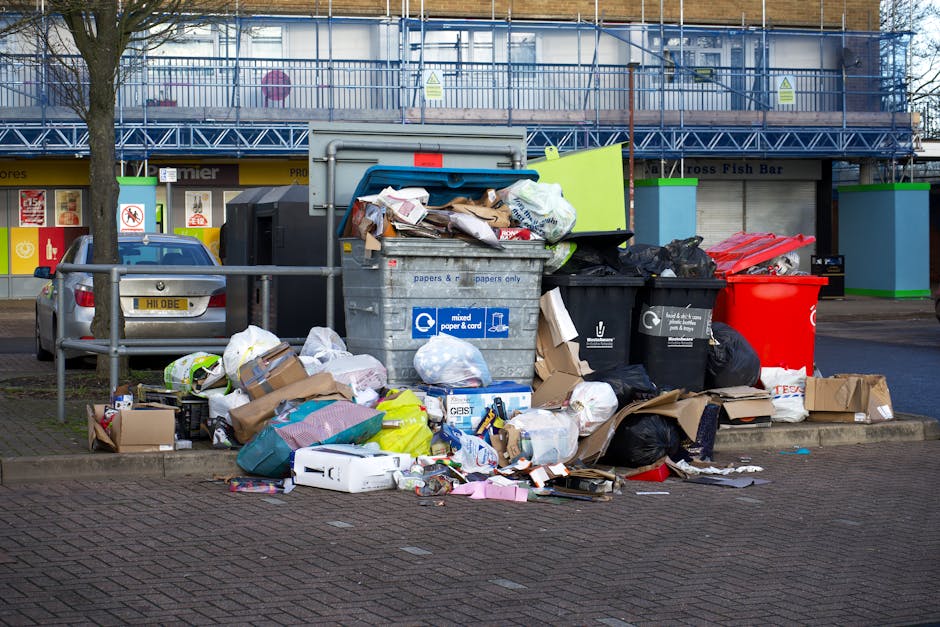
Addiscombe guide to rubbish removal on Lower Addiscombe Road
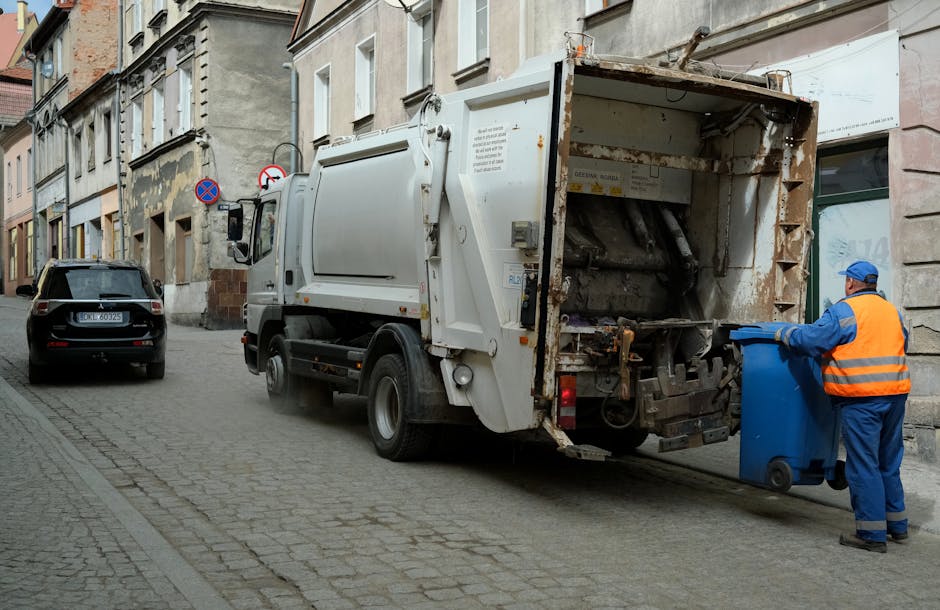
If you live, work, or manage property near Lower Addiscombe Road, rubbish removal can become one of those jobs that sits quietly in the background until it suddenly cannot be ignored. A broken wardrobe in a hallway, builder's rubble outside a flat, or a garage that has slowly turned into a storage cave - it all adds up. This Addiscombe guide to rubbish removal on Lower Addiscombe Road is here to make the whole thing feel simpler, less stressful, and a bit more manageable. You will find practical steps, useful comparisons, common mistakes to avoid, and a clear sense of what to expect if you want a fast, tidy clearance without the faff.
Truth be told, most people do not need a complicated explanation. They need to know what can go, how it gets collected, what to check before booking, and how to avoid paying for the wrong solution. That is exactly what this guide covers.
Why Addiscombe guide to rubbish removal on Lower Addiscombe Road Matters
Lower Addiscombe Road sits in a busy part of Addiscombe where homes, flats, shops, offices, and renovation projects often overlap. That mix matters. Rubbish removal here is rarely just a matter of dragging a few bags to the kerb. Space can be tight, parking can be awkward, and one awkwardly placed pile can make a staircase, pavement, or driveway feel instantly congested. If you have ever tried to move an old sofa down a narrow landing on a wet evening, you already know the problem.
Good rubbish removal is not only about getting rid of clutter. It is about keeping access clear, reducing fire risk in communal areas, protecting neighbours from mess, and making sure waste is handled responsibly. In a street like Lower Addiscombe Road, where day-to-day movement is constant, a well-planned clearance saves time and avoids friction with residents, landlords, tenants, and business owners.
There is also a trust angle. Anyone can promise a quick uplift. The better question is: will it be done neatly, safely, and in line with proper waste-handling practice? That is the standard worth aiming for. If your job involves mixed household waste, bulky furniture, builder's debris, or even a sensitive office clearance, the service should feel orderly from the first conversation to the final sweep-up.
Practical takeaway: on Lower Addiscombe Road, the best rubbish removal is usually the one that is planned around access, sorting, safety, and the type of waste - not just speed.
If you want to understand the wider service range behind a clearance project, it can help to look at the broader waste removal approach and the more specific options such as house clearance, flat clearance, and business waste removal.
How Addiscombe guide to rubbish removal on Lower Addiscombe Road Works
In plain English, rubbish removal works by identifying what needs clearing, separating anything that needs special handling, and arranging collection in a way that suits the property and the volume of waste. Simple enough on paper. In practice, the details matter quite a lot.
A typical collection usually follows a sequence like this:
- Assessment: You describe the waste, access, and location. A small flat clearance is very different from a builders waste load or a full garage sweep.
- Quote or estimate: The collection is priced based on the amount, type, and handling required. Mixed waste, bulky furniture, or heavy rubble often changes the scope.
- Arrival and loading: The team comes to the property, loads the waste, and keeps disruption to a minimum. Good operatives work steadily and do not leave a trail of debris behind them.
- Sorting: Reusable or recyclable materials are separated where possible. This can include wood, metals, cardboard, appliances, or furniture components.
- Responsible disposal: Waste is taken away for appropriate treatment, recycling, or disposal routes, depending on what it is.
What makes Lower Addiscombe Road slightly different from a more open suburban street is the everyday practical stuff. Where can a vehicle stop safely? Are there timed parking issues? Is there a narrow stairwell, a basement, or a top-floor flat? Can bulky items pass through the building without damage? These are not glamorous questions, but they are the ones that decide whether a clearance feels painless or mildly chaotic.
For example, if you are dealing with a post-refurbishment pile of plasterboard, timber offcuts, and old fixtures, a service like builders waste clearance is more appropriate than a standard household uplift. If you are clearing worn-out seating from a lounge or office reception, the specialist pages for mattress and sofa disposal or furniture disposal are a better fit.
One small but important point: if a job involves restricted items, it should be handled with extra care rather than improvised. Fridges, freezers, and some appliances need different treatment, and anything potentially hazardous should be identified before collection. That is basic professionalism, but not every operator gets it right. Sadly, yes, the bar is sometimes low.
Key Benefits and Practical Advantages
People usually book rubbish removal because they want space back. Fair enough. But the real benefits go beyond seeing a cleaner room or pavement.
- Faster turnaround: A clearance team can remove in one visit what might take you a weekend, a borrowed van, and three sore shoulders.
- Less physical strain: Bulky rubbish is awkward and, frankly, back-breaking. Hiring help lowers the risk of injury.
- Better presentation: Helpful for landlords, agents, business owners, and anyone preparing a property for sale or re-let.
- Safer access: Removing clutter from hallways, yards, and shared entrances reduces trip hazards and keeps routes open.
- More responsible handling: A proper service should separate recyclable or reusable materials where practical.
- More predictable outcome: You know the waste will be lifted, taken away, and dealt with properly instead of lingering in the driveway for days.
There is also a mental benefit people do not talk about enough. Clutter sits in the background and drains energy. A spare room full of broken furniture or a half-cleared loft can make a home feel unfinished, even on a bright morning. Once it is gone, the whole place breathes a bit easier. You notice it immediately.
For larger household jobs, the most suitable route might be home clearance or loft clearance. For more targeted jobs, such as a packed shed or overflowing storage room, garage clearance can be the cleaner choice.
| Need | Most suitable approach | Why it helps |
|---|---|---|
| Bulky household items | Furniture-focused clearance | Quickly removes large pieces without leaving broken bits behind |
| Mixed domestic clutter | House or home clearance | Works well when several rooms need attention |
| Office declutter | Office clearance | Useful for desks, chairs, filing, and old equipment |
| Post-renovation debris | Builders waste clearance | Designed for construction-related materials and rubble |
| Outdoor waste | Garden clearance | Better for green waste, broken planters, and outdoor junk |
Who This Is For and When It Makes Sense
This kind of rubbish removal is useful for a wide range of people. Some need a one-off lift after a move. Others need regular support because the waste keeps coming, as it does in active businesses or renovation projects. And sometimes, the need is simply emotional - a relative has moved, a tenancy has ended, or a room has been left full of items nobody has the time or energy to sort through.
It makes sense if you are:
- a homeowner clearing accumulated household waste
- a tenant moving out and needing the place ready for inspection
- a landlord dealing with an end-of-tenancy clear-out
- a letting agent managing a flat in Addiscombe
- a builder or tradesperson with leftover site waste
- a shop, office, or studio owner replacing furniture or equipment
- someone sorting a loft, garage, shed, or storage area
Lower Addiscombe Road properties can vary quite a bit. Some are compact flats with limited access. Others are larger homes with side entrances, rear gardens, or loft storage. So the "best" service depends on the actual job, not just the postcode. A single sofa is one thing. A full office clearout with confidential paper, old monitors, and worn chairs is another altogether.
If the waste includes paper records or private documents, a service like confidential shredding may be useful alongside the main clearance. If the job is a business one, office clearance is usually the cleaner match. For a simpler single-room uplift, furniture or general waste removal may be enough.
And if you are not sure? That is normal. Most people are not waste specialists. You just need a sensible recommendation, not a lecture.
Step-by-Step Guidance
Here is the practical version, without the fluff.
- Walk the job first. Look at what needs removing and where it sits. Count bulky items. Note anything especially heavy, damp, fragile, or sharp.
- Separate special items. Appliances, mattresses, sofas, and anything hazardous should be identified before collection day.
- Measure access. Check stair widths, door frames, parking space, and whether items can come out safely without damaging walls or flooring.
- Decide what stays. It sounds obvious, but half-packed lofts and garages cause confusion. Mark what must remain in place.
- Choose the right service. Match the job to the category: house clearance, flat clearance, garden clearance, builders waste, furniture disposal, or appliance removal.
- Ask about sorting and disposal. A decent provider should explain how the waste will be handled, especially if recycling is relevant.
- Book a slot that suits the building. If you are in a shared block or busy stretch of road, timing matters. Less footfall is often easier.
- Clear the route. Move small obstacles out of the way. A clear hall saves time and reduces risk. Tiny effort, big payoff.
- Do a final check. Before the team leaves, make sure the agreed items have gone and nothing important has been taken by mistake.
If you are arranging a larger one-off uplift, the booking pathway can be straightforward through book online. For costs and structure, it is worth reviewing pricing and quotes so you know what tends to shape the final figure.
Small tip: if it is a wet day - and let's be honest, it often is - keep muddy shoes, wet cardboard, and soggy garden waste separate where possible. It helps everybody.
Expert Tips for Better Results
After enough clearances, a few patterns become obvious.
- Group similar items together. Furniture in one area, green waste in another, rubble in another. This makes loading faster and usually cleaner.
- Photograph the waste before booking. Even a quick phone picture helps avoid miscommunication.
- Tell the provider about access issues early. Basement steps, no lift, tight parking, shared entrances - say it upfront.
- Protect floors and walls if items are awkward. A blanket, dust sheet, or simple cardboard run can prevent scuffs.
- Be clear about what you want removed. "Everything in the spare room" sounds simple, but it can be risky if important documents or fixtures are mixed in.
- Use the right specialist page for the right waste. A mattress is not just furniture; a fridge is not just an appliance; rubble is not just general rubbish.
For gardens, it often pays to use a dedicated garden clearance approach, especially after pruning, landscaping, or a long-overdue tidy-up. For home interiors, house clearance is usually the more efficient route when several rooms are involved.
Another practical point: do not assume every item can be handled the same way. Fridges and freezers, for example, need particular care because of their components. That is where fridge and appliance removal becomes the sensible option.
The best jobs feel boring, in a good way. No drama. No "oops" moment in the stairwell. Just a smooth lift, a tidy finish, and the relief of seeing the space again.
Common Mistakes to Avoid
Most clearance problems are avoidable. They usually come from rushing the booking or underestimating the volume of waste.
- Choosing the wrong service type: A general uplift may not suit specialist items like appliances, builders waste, or sharps.
- Forgetting access details: If the team cannot reach the property easily, the job slows down.
- Mixing hazardous and non-hazardous waste: This can complicate handling and create safety issues.
- Leaving valuables unmarked: Old boxes are notorious for hiding letters, keys, photos, and the random cable you will suddenly need tomorrow.
- Assuming everything can go together: Not all waste has the same disposal route.
- Not checking the final sweep: Tiny leftovers, dust, and broken fragments can be missed if nobody does a last look.
One common issue in tight streets like Lower Addiscombe Road is parking confusion. If the vehicle position is awkward, the uplift can become unnecessarily long. Another issue is overfilling bags with items that should have been separated. Heavy mixed bags seem efficient until somebody has to carry them down two flights of stairs. Then not so much.
A simple rule helps: if something is heavy, sharp, fragile, liquid-filled, or potentially hazardous, mention it early. It saves time and reduces risk.
Tools, Resources and Recommendations
You do not need a van full of specialist equipment to prepare well, but a few basics can help.
- Strong bin bags or rubble sacks: Useful for loose waste, but do not overload them.
- Marker tape or sticky notes: Handy for labelling items that must stay.
- Gloves: Especially useful if there are sharp edges, dust, or dirty storage areas.
- A measuring tape: Good for sofas, wardrobes, and awkward hallway turns.
- Phone camera: The simplest way to document the job before collection.
For businesses, a quick office audit can also help. Decide whether old desks, chairs, filing cabinets, or electronics should be removed together. If shredding or privacy-sensitive material is involved, pair the collection with confidential shredding rather than leaving paper in ordinary waste bags.
You might also want to review recycling and sustainability to understand how a responsible clearance should treat reusable and recyclable materials. For general expectations on the service itself, the about us page can help you understand the company's approach, and insurance and safety is worth checking if the job involves tight access or heavy lifting.
If you are dealing with something unusual - say a mixture of old furniture, broken appliances, and a bit of renovation waste - it is often better to ask for guidance than to guess. That sounds obvious, but it saves a lot of back-and-forth.
Law, Compliance, Standards, or Best Practice
Without getting too legalistic, waste removal in the UK should follow sensible, responsible practice. The key point for a homeowner or business on Lower Addiscombe Road is that waste should not simply disappear into a van and become someone else's problem. A proper service should handle waste in line with accepted UK duties around safe transport, sorting, and disposal.
From a practical perspective, that means:
- keeping waste streams sensible where possible
- treating hazardous items separately
- avoiding fly-tipping risks
- protecting staff, residents, and the public during lifting and loading
- ensuring the service provider is insured and safety-aware
For larger jobs, especially commercial or mixed-use clearances, it is wise to check the provider's approach to health and safety before booking. The pages for health and safety policy and terms and conditions are useful for understanding expectations, while payment and security can give reassurance around transactions.
Hazardous materials deserve extra caution. If you are unsure whether an item is safe to include, treat that as a stop sign, not a green light. The dedicated hazardous waste disposal page is the right starting point when the waste includes chemicals, contaminated items, or other risky materials.
Best practice is pretty straightforward: sort honestly, disclose clearly, and choose the right route for each material. Nothing flashy. Just careful, sensible work.
Options, Methods, or Comparison Table
Different jobs suit different methods. The best choice depends on volume, access, item type, and how quickly you need the space back.
| Method | Best for | Pros | Watch-outs |
|---|---|---|---|
| Manual rubbish removal | Small, simple loads | Quick and tidy for lighter jobs | Can become inefficient if the pile is larger than expected |
| Rubbish removal service | Mixed household or business waste | Convenient, fast, and less physical effort | Needs clear instructions about the waste type |
| Specialist clearance | Furniture, appliances, builders waste, garden waste | Better handling for specific materials | Choosing the wrong specialist can slow things down |
| Partial declutter with sorting | Lofts, garages, storage rooms | Lets you keep what matters while clearing the rest | Takes a bit more decision-making time |
For many people, a service-led solution is the least stressful. But if the pile is tiny and the access is easy, a simple self-sort may be enough. The important bit is to avoid forcing the wrong method onto the job. That is where things usually go sideways.
If you are deciding between furniture collection and a broader clearance, compare furniture clearance with furniture disposal. If the items are mostly domestic and scattered through the property, home clearance may be more suitable.
Case Study or Real-World Example
A typical Lower Addiscombe Road scenario might look like this. A couple in a first-floor flat had lived with a growing pile of unwanted items for months: a broken chest of drawers, an old mattress, two chairs, cardboard from a recent delivery, and several bags of general clutter that had been moved from room to room rather than dealt with. Nothing dramatic. Just the sort of job that quietly gets bigger.
They started by separating the mattress and furniture from the mixed waste. The hallway was measured, and the route down the stairs was cleared. One of the chairs had a loose leg, so it was flagged in advance rather than left as a surprise. The uplift was booked as a flat-focused job rather than a generic rubbish collection, because access and item type both mattered.
On collection day, the main difference was pace. Because the waste had been grouped sensibly and the access was ready, the team could remove everything without stopping every few minutes to ask what stayed and what went. The result was a quiet, uneventful collection. And honestly, that is the best kind.
Afterwards, the flat felt bigger even though the floor plan had not changed one bit. That is the funny thing about rubbish removal. It does not just clear stuff. It changes how a space feels at 8 a.m. on a weekday when you are trying to get on with your life.
For a similar setup, a flat owner might use flat clearance combined with mattress and sofa disposal if bulky items are the main headache.
Practical Checklist
Use this quick checklist before booking rubbish removal on Lower Addiscombe Road:
- Identify exactly what needs to go
- Separate furniture, appliances, garden waste, builders waste, and general rubbish
- Set aside anything that must stay
- Check stairways, door widths, lifts, and parking access
- Flag heavy, sharp, wet, or hazardous items
- Take a photo of the load if it helps explain the job
- Choose the service that best matches the waste type
- Ask about sorting, recycling, and disposal
- Confirm timing and access details
- Do a final walk-through before the team leaves
If the job is business-related, you may also want to cross-check the waste with business waste removal. If it is mostly outdoor debris, check garden clearance. If it is a mixed property sweep, waste removal may be the broadest fit.
Conclusion
A smart approach to rubbish removal on Lower Addiscombe Road is less about drama and more about good decisions. Match the service to the waste, make access easy, identify anything special early, and choose a provider that handles the job with care. That combination saves time, reduces stress, and usually costs less in the long run because there is less confusion to fix.
Whether you are clearing a flat, an office, a garage, or a pile of renovation debris, the main goal is the same: get the space back without creating another mess in the process. Simple, really. And once it is done, you notice the difference straight away - the air feels lighter, the room sounds different, and the next job suddenly feels possible.
Get a free quote today and see how much you can save.
If you are ready to plan the next step, use the site's booking and support pages to confirm the right service, check pricing, and make sure the collection fits your schedule. A clear space has a way of making everything else feel more sorted too.
Frequently Asked Questions
What is the best type of rubbish removal for a flat on Lower Addiscombe Road?
For a flat, the best option is usually one that takes access into account. If you have stairs, limited parking, or bulky items, flat clearance is often the most suitable starting point.
Can I mix furniture, bags of rubbish, and a few boxes of old paperwork?
Usually yes, but it helps to separate anything sensitive. If paperwork includes private information, consider confidential shredding so it is handled properly.
How do I know whether I need house clearance or general waste removal?
If several rooms or a whole property need clearing, house clearance is often the better fit. If you simply have mixed waste to remove, waste removal may be enough.
What should I do with an old sofa or mattress?
These items are bulky and usually better handled through specialist routes such as mattress and sofa disposal. That keeps the job cleaner and avoids awkward handling.
Is builders waste treated differently from household junk?
Yes. Builders waste can include rubble, timber, plasterboard, and mixed site debris, so it is best matched to builders waste clearance rather than a general domestic uplift.
What if I have an old fridge or freezer?
Appliances need separate handling, so fridge and appliance removal is the more appropriate choice. It is worth mentioning any appliance in advance.
How can I make the collection quicker?
Group similar items together, clear the access route, and tell the provider about parking or stair issues before the visit. A little prep goes a long way. It really does.
Can rubbish removal help with a garage or loft full of old items?
Yes. In fact, those are two of the most common situations. Garage clearance and loft clearance are designed for exactly that kind of build-up.
What happens to the waste after it is collected?
Responsible providers sort waste for reuse, recycling, or disposal where appropriate. If sustainability matters to you, review recycling and sustainability to understand the approach.
Do I need to prepare anything before a business clearance?
Yes, especially if the job involves stock, paperwork, electronics, or bulky office furniture. Office clearance and business waste removal are easier when items are grouped and sensitive materials are identified early.
What should I check before I book?
Check the type of waste, access, pricing structure, safety approach, and whether the provider explains what can and cannot be taken. The pages for pricing and quotes, insurance and safety, and terms and conditions are sensible places to start.
Is garden waste handled the same way as indoor rubbish?
Not always. Soil, branches, cuttings, and broken outdoor items are usually better matched to garden clearance. That keeps the collection more efficient and avoids mixing very different waste types.
If you need help deciding which route is right for your property, start with the most specific service page that matches the bulk of the waste. That one choice often makes the rest of the process feel easier. And a bit less noisy, too.